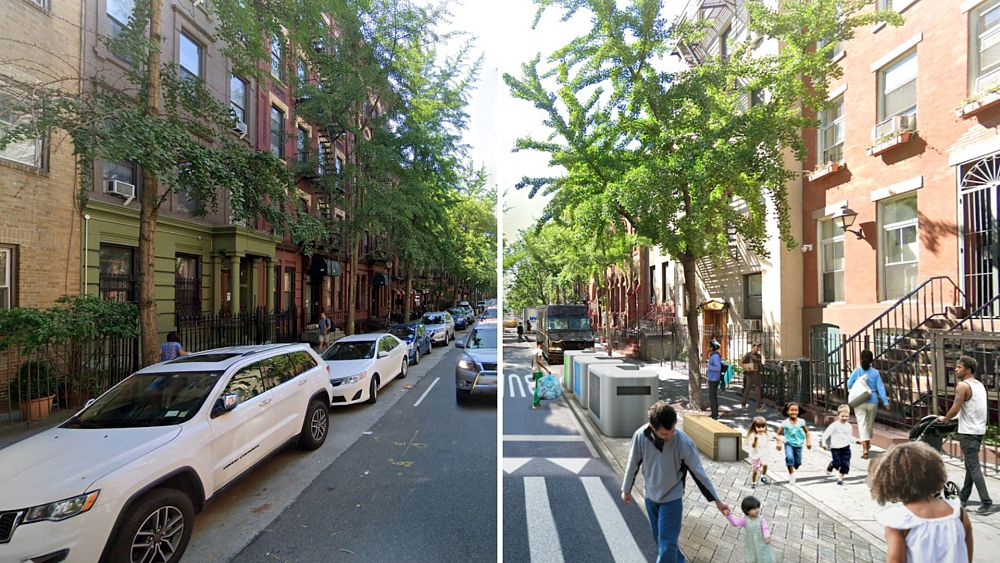
Careless Cities: From a Polluted Metropolis As we speak to Wakanda Tomorrow
The twentieth century noticed the world reorient across the introduction of the auto.
Streets have been widened, houses bought garages, and outlets wanted group parking. The fashionable metropolis is constructed on the picture of the automotive.
However what if this isn’t the case?
Groups of architects surprise what cities of the long run may seem like, and are available collectively on one daring concept: eliminating the automobiles.
There are numerous causes we need to eliminate automobiles. They take up ridiculous house in our cities. We’re constructing huge avenues to accommodate the lanes of automobiles that may move by way of downtown, whereas eroding the house for folks to stroll at leisure, meet with associates, and hang around.
we dedicate half of our public house in Europe for automobiles.
One of many predominant causes we need to eliminate automobiles from our cities is due to the injury they do to the planet.
Typical fossil gasoline automobiles, bikes, buses and vehicles contribute to a 3rd of the carbon emissions from transportation; 12 % of carbon dioxide emissions within the European Union They’re driving automobiles.
Emissions from these compounds additionally pose well being dangers to individuals who breathe them in every day. 96 % of the city inhabitants in Europe is in danger dangerous air pollution ranges.
Even when all of our automobiles have been carbon impartial, cities with car-based infrastructure would nonetheless be unhealthy for our planet. Furthermore, the extra hazard that automobiles pose to our lives, as highway accidents are the eighth largest explanation for demise, resulting in 1.35 million deaths per 12 months.
What can we do?
Dr. Robert Martin, Head of Mobility on the Danish structure agency egg, he thinks we must always return to the drafting board of cities. JAJA has labored on a number of plans for tactics to take away automobiles from cities and redesign city areas.
Slightly than predicting the long run, which requires leaving assumptions concerning the current in place, Martin prefers backwards broadcasting.
Architects are used to imagining what may really be right here. And so we deliver collectively the completely different stakeholders to design these fascinating futures, after which we develop the methods and paths to get there,” says Martin.
There is no such thing as a must rebuild the town from the foundations. Martin advocates the “15-minute metropolis” idea.
“I feel the 15 Minutes within the Metropolis is a bit misinterpreted,” Martin explains.
“Folks actually thought that a complete metropolis needed to merge in quarter-hour. In the event you’re speaking about Shanghai, it is not possible.”
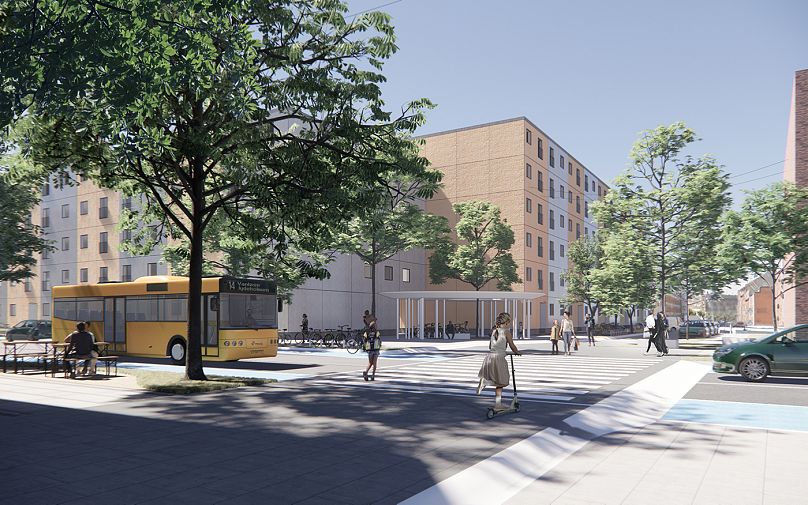
As an alternative, he explains, it’s about creating a number of city facilities inside a metropolis. Eradicating the precedence of the town heart hub, folks collect in their very own native heart which has all the standard facilities.
“It is not about attempting to retrofit a complete metropolis, however really creating extra native hubs so that folks do not essentially drive an hour every means,” says Martin. “Inside a 15-minute stroll or bike experience, you possibly can go to a grocery store, go to the physician, and get a close-by park.”
JAJA is predicated in Copenhagen, a metropolis that’s typically publicized for its lack of automobiles and bike-friendly infrastructure.
Martin notes that the fame is considerably unearned.
“Over the previous 20 years, Copenhagen has seen an exponential enhance within the quantity of automotive possession within the metropolis centre.”
Nevertheless, the best of Copenhagen is the genesis of change that JAJA needs to see in additional cities. Put them on a “commuting food regimen,” Martin suggests, and re-prioritize automotive lanes for folks to stroll and bike in.
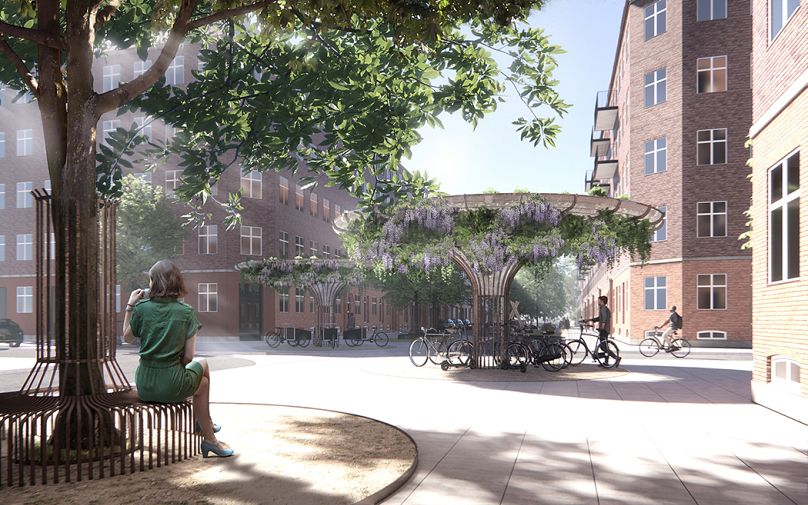
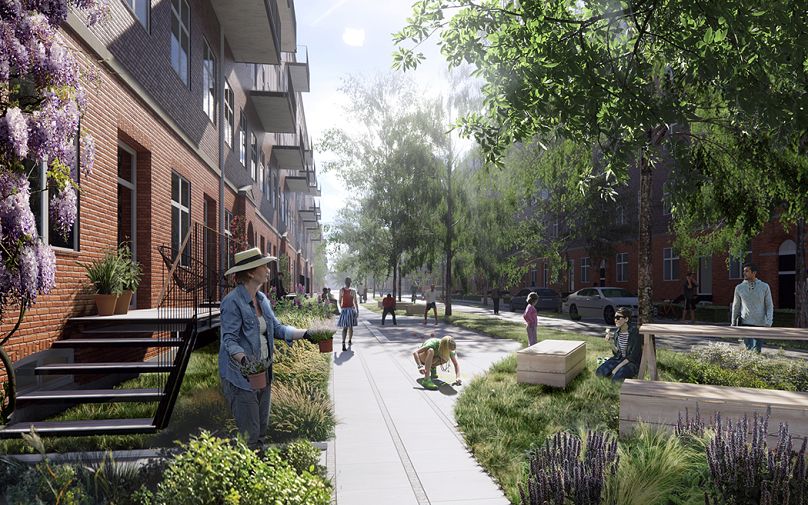
Once you’re not constructing bike paths, there’s additionally the chance to construct inexperienced areas like carbon and thermal sponges.
“All kinds of public lands on this model are for public companies. There are nonetheless non-public parking garages, however that is not the place individuals are,” Martin explains.
He factors out that automobiles will proceed to have a function for a very long time. It is about lowering them, not eliminating them fully. The necessity to specifically journey across the international locations and take items to the cities can’t be eradicated by the will for a greater metropolis.
So, Martin means that for private use, the perspective to automotive possession itself adjustments.
Why ought to each residence have their very own automotive, when they are often shared on the uncommon event they want it? In a metropolis the place facilities are shut and public transportation is sweet, solely occasional cross-country journeys would require a private car.
Zipcar is a well-liked automotive sharing app in London. In the future, it may very well be the usual.
Then there’s the strategy of bringing items into cities.
For this, Martin factors to a number of techniques that exist already. Vans journey into metropolis facilities at night time to keep away from congestion, and for smaller parcels, “London is definitely one of many leaders by way of bike deliveries,” he says.
“Freight bikes are usually not solely higher for the atmosphere, they ship quicker efficiency and doubtlessly the next high quality of life, in case you’re a supply driver doing that as an alternative of sitting in a truck.”
Change the identification of the town
London is without doubt one of the factors of contact for an additional architect whose agency has labored on plans to revamp main cities.
PAU is a New York-based structure agency that has drawn up plans for New York Metropolis with out automobiles.
Founder and Artistic Director of PAU Vishaan Chakrabarti believes that “non-public automobiles and cities do not make a lot sense”.
Chakrabarty shares Martin’s perception within the significance of smaller mannequin cities, and believes inspiration could be drawn from London’s excessive avenue strategy.
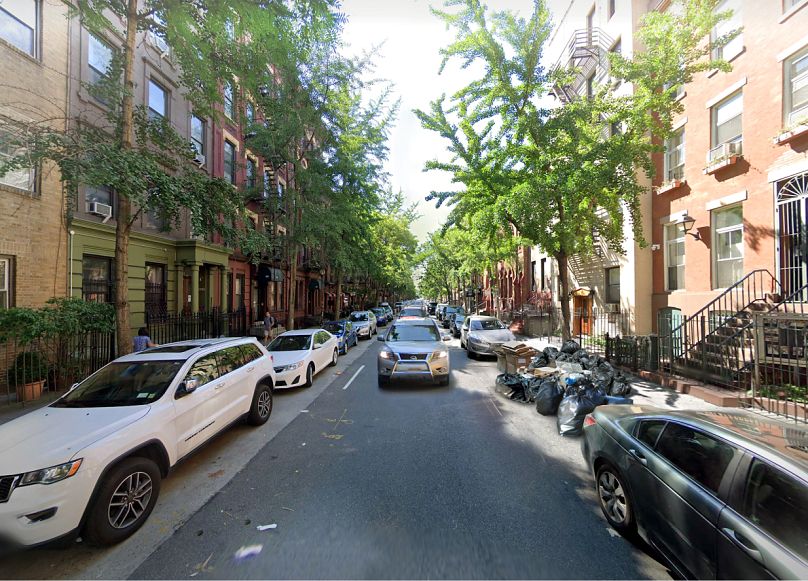
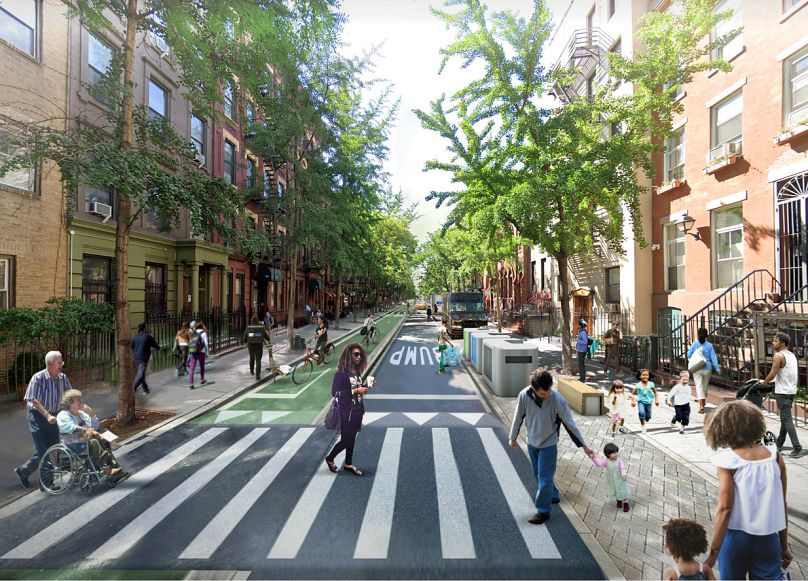
“London has all the time had the concept of the multi-modal metropolis, the place you possibly can reside round a excessive avenue and get most of your wants performed,” says Chakrabarty.
“In the event you nonetheless should be within the larger metropolis, if you wish to go to a significant park or a museum, you possibly can nonetheless take the subway and depart that 20-minute zone.”
Chakrabarty factors to Ebenezer Howard, the commercial revolution-era metropolis planner, who based the backyard metropolis motion that started a transfer away from a multimodal metropolis construction towards a pervasive suburban life that prioritized automobiles as a method of transportation.
“Within the time interval between 50 and 75, we created an auto-based residing atmosphere known as the suburb. I feel it is actually vital for folks to know this, as a result of I feel most individuals stroll round and suppose what’s round them has all the time been right here. And that is not true, Chakrabarti says.
To attain lasting change in the way in which cities are designed, we will not simply reassess the place automobiles are. We even have to alter the buildings round us.
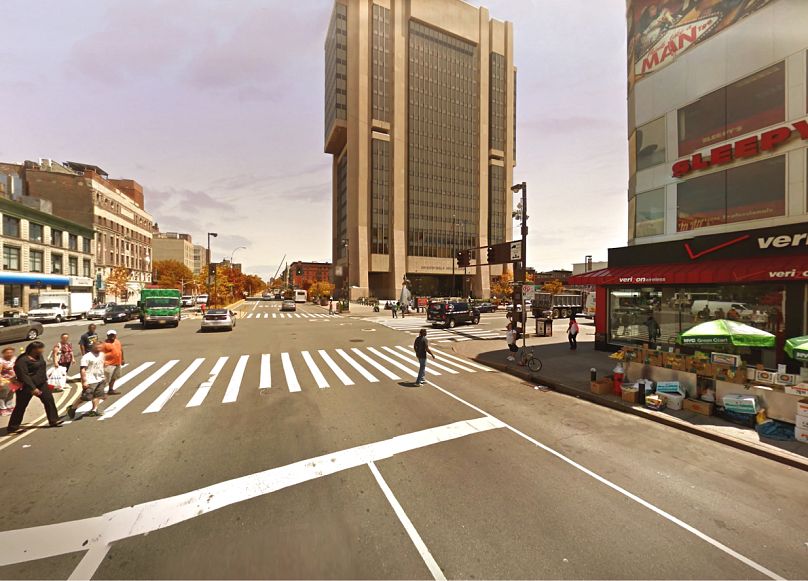
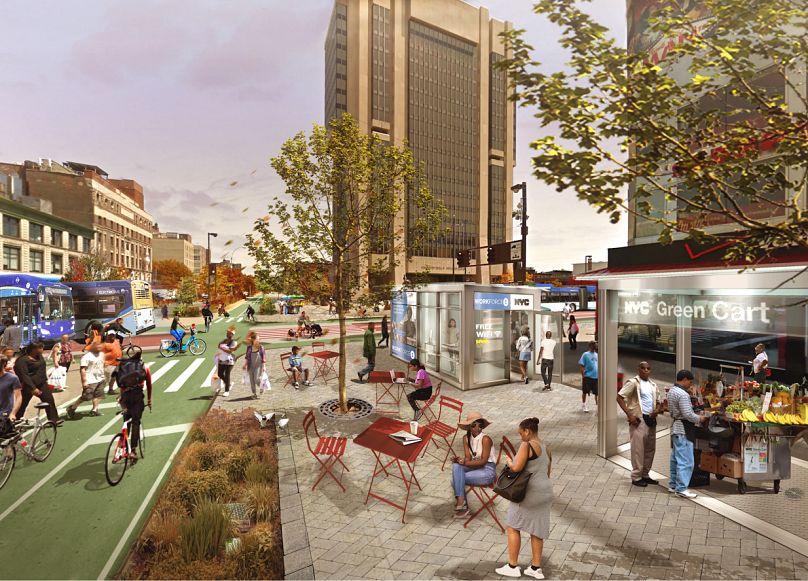
They need to change the outdated manufacturing unit right into a combined hub of workplaces, in addition to “facilities for training, well being care, procuring, and so on.”
Convincing coverage makers to embrace these adjustments can be an vital step to contemplate.
Though it’s assumed that auto producers will provide the best resistance to those sorts of plans, Chakrabarty expects extra from the typical particular person. To do any of this, authorities subsidies must go to highway infrastructure and automotive purchases.
“Take somebody who’s upper-middle class and drive a Mercedes SUV into city every single day to drop their youngsters off and go grocery procuring. Telling that particular person we’ll begin taking these advantages away is a troublesome political dialog,” he admits.
However the resolution comes drip. Constructing on the observe of car-free days in cities, diminished emissions necessities will create nicer, quieter cities. Permitting folks to understand that is the important thing to altering coverage in the long run.
What is going to the long run seem like?
As architects in Saudi Arabia advance on the sultry Al-Khatt, a 170-kilometer-long metropolis constructed from scratch within the desert, it’s attention-grabbing to surprise how the town is consistently being remodeled.
The €484 billion Saudi venture is unlikely to grow to be a benchmark for all cities, however Chakrabarti suggests one other means: Wakanda, the fictional nation of Marvel’s Black Panther collection.
“In the event you look rigorously on the artwork path in Wakanda, you will discover two issues,” says Chakrabarti.
“The streets are very versatile, however there are usually not many automobiles. There’s a mass transit system that travels rapidly, however there are only a few automobiles. In consequence, the skyscrapers they present are proper subsequent to farmland. So if there isn’t any suburban class Between the town and the farm, the town and the farm sit subsequent to one another. It’s because nobody drives.”
Eradicating the step between farmland and the town removes the issue of supplying items to the town from distant, and reduces the carbon it takes to deliver agricultural merchandise to the folks.
Suburban improvement took 75 years. What if we develop the sort of metropolis within the subsequent 75 years?
